Category: Madrid

  • Casa Macareno in Madrid: Learning Dish by Dish

    Casa Macareno in Madrid: Learning Dish by Dish

    “Quien lee mucho y anda mucho, ve mucho y sabe mucho.” — Miguel de Cervantes

    Cervantes links knowledge to reading and walking—to what we study and what we discover by moving through the world. A meal can teach in the same incremental way. At Casa Macareno, each plate clarified what the kitchen did best: bold sauces, crisp potatoes, vegetables in traditional dishes and a vermouth that outperformed the heavier mains.

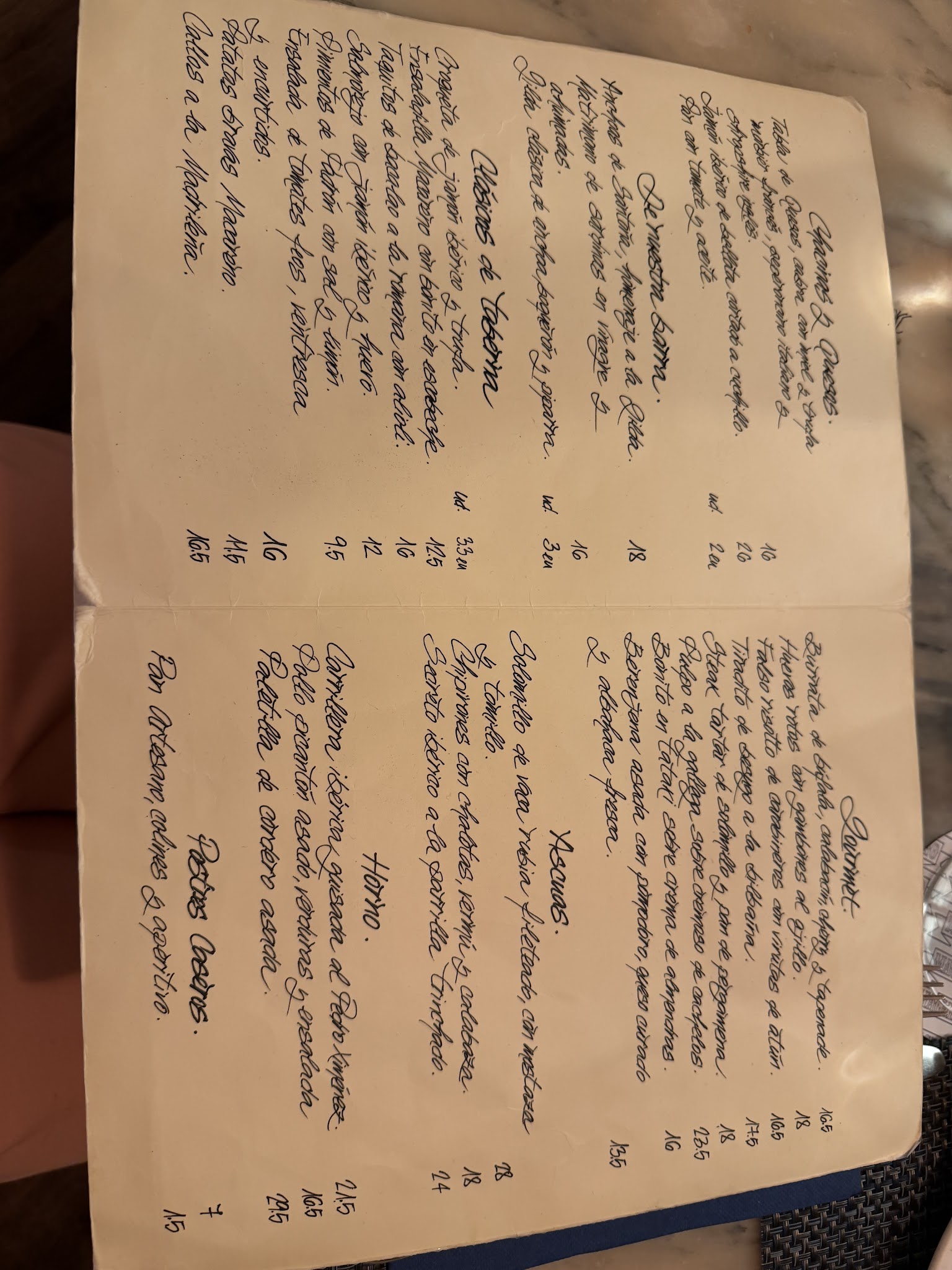
    The Patatas Bravas Macareno were the clearest success. Crisp outside and soft within, the potatoes carried both the restaurant’s red sauce and a white garlic sauce. The two were blended so well that every bite felt complete rather than divided between heat and creaminess. This is the dish that earned the easiest recommendation.
    Photo from the approved Casa Macareno review in Madrid

    The squid with shallots, vermouth and pumpkin was lightly cooked. Its delicacy stood apart from the stronger sauces elsewhere on the table, and the vegetables were welcome.

    The Iberian ham and truffle croquette was less memorable. It was a little salty relative to other Madrid dishes I had eaten and did not feel extraordinary. Slow-cooked Iberian pork cheek in Pedro Ximénez sauce also failed to distinguish itself. Its gravy-based richness leaned salty, without the depth I expected.

    The vermouth was the best of those I tried in Madrid. Tartness and sweetness met in the right proportion, while the carbonation was subtle. It gave the meal the balance that the croquette and pork cheek lacked.
    A second photo from the approved Casa Macareno review

    Service was friendly. Staff asked whether we preferred English or Spanish, a small courtesy that made ordering easier. There was a line, but the wait was not long. I also appreciated that vegetables appeared across several dishes.

    What to order

    • Patatas Bravas Macareno.
    • Squid with shallots, vermouth and pumpkin.
    • Vermouth.

    What to skip

    • The Iberian ham and truffle croquette if you are sensitive to salt.
    • The Iberian pork cheek in Pedro Ximénez; it was not distinctive during this visit.

    Verdict

    Go for the patatas bravas and vermouth. They showed the balance and personality that the saltier croquette and pork cheek did not.
  • Casa Benigna in Madrid: Seeing More at the Table

    Casa Benigna in Madrid: Seeing More at the Table

    “Quien lee mucho y anda mucho, ve mucho y sabe mucho.” — Miguel de Cervantes

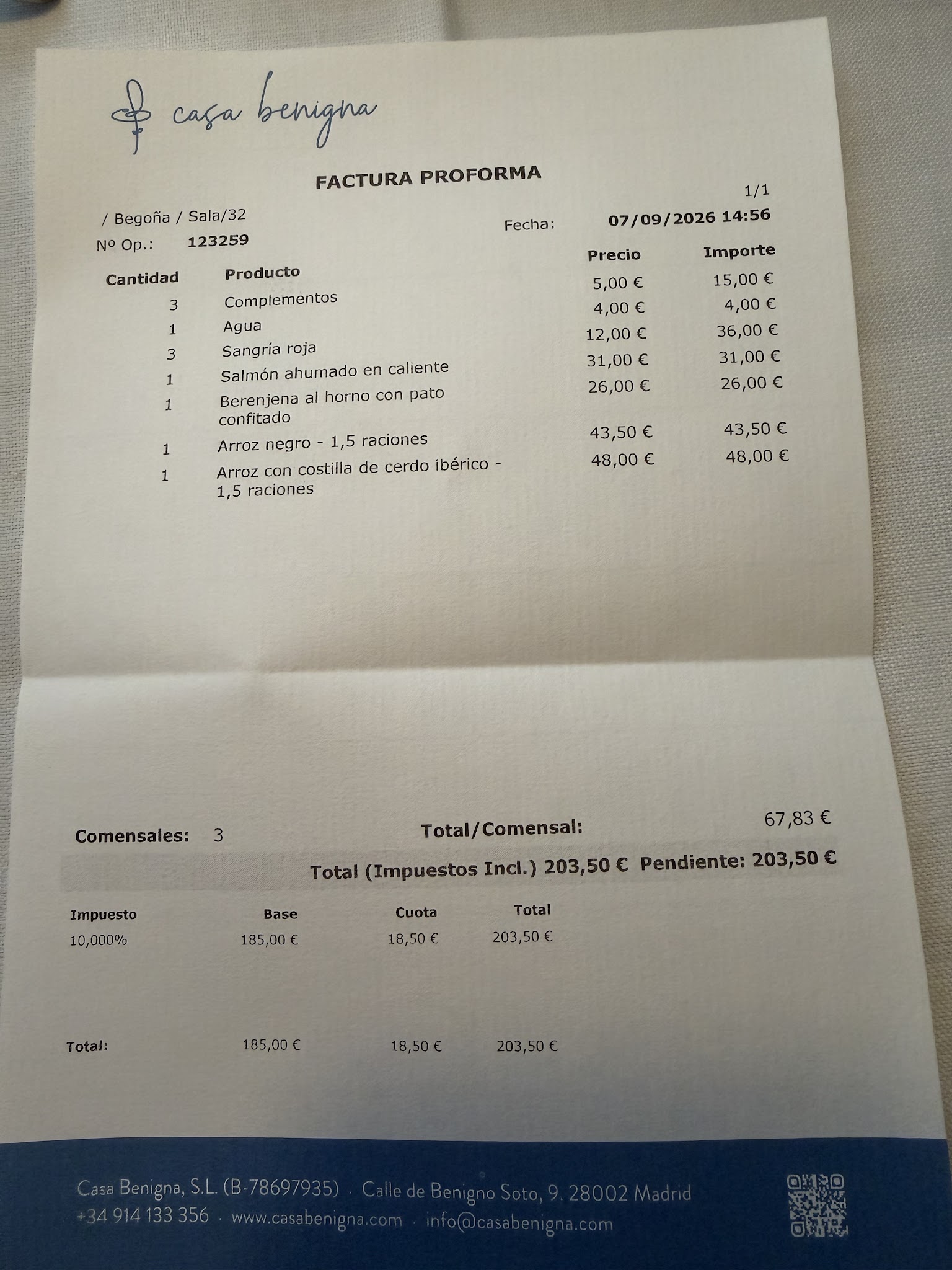
    Casa Benigna offered the culinary version of Cervantes’s idea: a meal that asked for sequence, attention and comparison, revealing one of my best smoked-salmon experiences before moving through duck, black rice and Iberian pork.

    The welcome began with several complimentary bites. Potato skins were cut close to the skin and fried until exceptionally crisp. A small tomato-based gazpacho carried very little onion or bell pepper. Olives with pepper were saltier than the other opening bites, though that is hardly unexpected from olives.

    Photo from the approved Casa Benigna review in Madrid

    The warm-smoked salmon should be eaten first, with its skin. It was plated for us and arrived so tender that it entered what I call the “last meal” category. Based on my experience, this was the best smoked salmon I had tasted.

    Baked eggplant with duck confit did not fare as well after the salmon. Its richness felt overwhelming, and the duck itself was dry. Sequence mattered: following such a delicate, accomplished fish made the heavier dish’s weaknesses clearer.

    Casa Benigna’s black rice brought the meal back into focus. Crunchy Iberian pork was mixed into the rice, with garlic mayonnaise and lemon alongside. The rice drew salt from the seafood itself and was noticeably salty, but still good. Its character felt maritime rather than merely seasoned.

    A dish from the approved Casa Benigna review

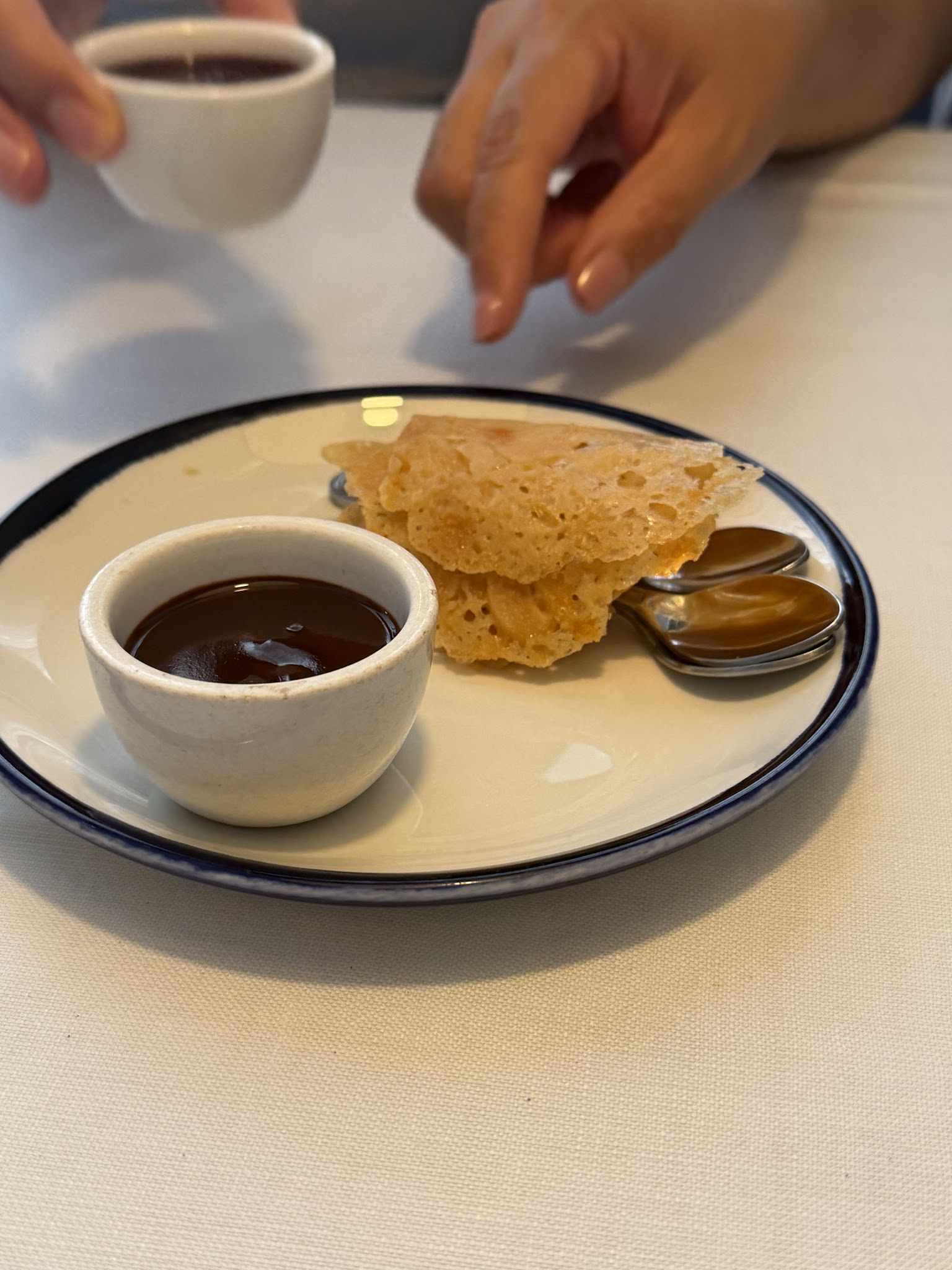
    The meal closed with a complimentary crisp almond wafer scented with orange rind and served with chocolate dip. It was an elegant final contrast after the savoury depth of the rice.

    A light sangria with apple and lemon accompanied the meal. Service was one of the restaurant’s great strengths. The servers and manager were exceptionally kind and approachable, without the stiffness that can sometimes shadow a restaurant operating at this level of culinary expertise.

    What to order

    • Warm-smoked salmon—eat it first and include the skin.
    • Black rice, with a caution for diners sensitive to salt.
    • The complimentary crisp potato skins.

    What to skip

    Baked eggplant with duck confit; the duck was dry and the dish felt overwhelming after the salmon.

    Practical notes

    • Book in advance; walk-ins are not guaranteed.
    • The shared starters are designed for the table.
    • Staff and management were notably warm and approachable.

    Verdict

    The warm-smoked salmon is an exceptional Madrid dish and the strongest reason to book Casa Benigna. The black rice was worthwhile but salty; the duck confit was the clear miss.

  • Casa Lucio in Madrid: Less Is More on Cava Baja

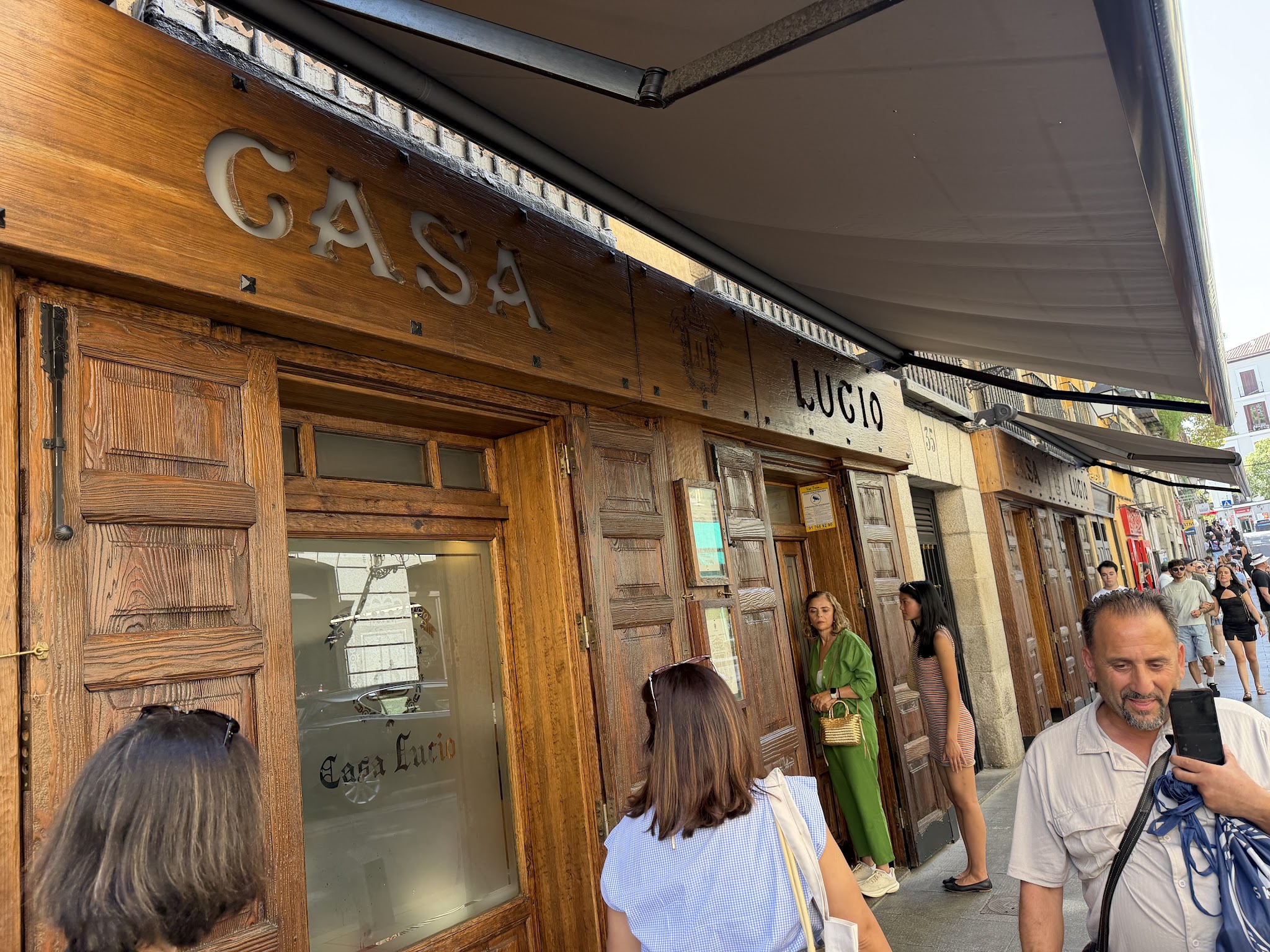
    Casa Lucio in Madrid: Less Is More on Cava Baja

    “Quien lee mucho y anda mucho, ve mucho y sabe mucho.” — Miguel de Cervantes

    At Casa Lucio on Cava Baja, the lesson was plain: experience sharpens appreciation for food that does not need to shout. Garlic, olive oil, potatoes, eggs and slow-cooked tripe carried the meal through restraint.

    The gambas al ajillo arrived in olive oil with garlic and pepper. The shrimp tasted fresh and naturally sweet. Seasoning was quiet, allowing the shrimp itself to lead.

    Photo from the approved Casa Lucio review in Madrid

    The callos showed the “less is more” approach most clearly. Its collagen-rich texture gave the dish body, while the seasoning remained controlled rather than salty. The ingredients seemed to settle into one another instead of competing.

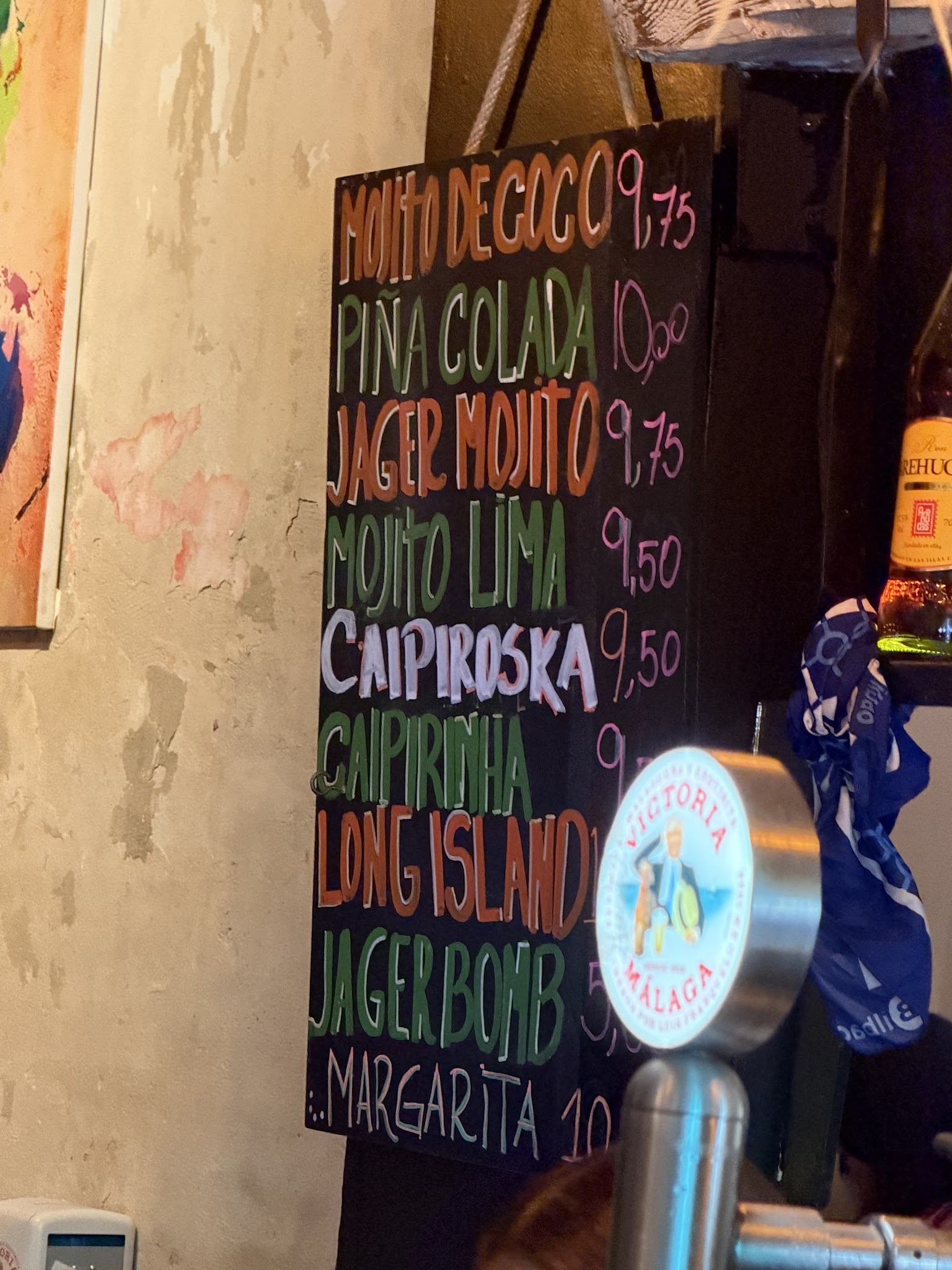
    Tinto de verano brought the meal into Madrid’s casual rhythm: wine and soda, light enough to accompany the richer dishes.

    Then came the house-famous egg-and-potato dish, huevos estrellados. The eggs arrived over potatoes and were mixed into them, turning two basic ingredients into the table’s central comfort.

    A dish from the approved Casa Lucio review

    This meal did not rely on elaborate plating or aggressive seasoning. Its best qualities appeared through directness: sweet shrimp in hot oil, callos with a yielding texture, eggs broken into potatoes and wine softened with soda. Walking through Madrid may build knowledge; eating here builds it bite by bite.

    What to order

    • Huevos estrellados.
    • Callos a la madrileña.
    • Gambas al ajillo.
    • Tinto de verano.

    Practical notes

    • Casa Lucio is at Cava Baja 35 in Madrid.
    • The recorded 4 p.m. arrival was at the end of lunch service.

    Verdict

    A Madrid classic whose appeal lies in restraint. The huevos estrellados and callos show how simple ingredients become memorable when texture and balance are allowed to lead.

    Another photo from the approved Casa Lucio review
  • Churros Around Cava Baja: Madrid’s Friendliest Ritual

    Churros Around Cava Baja: Madrid’s Friendliest Ritual

    “Quien lee mucho y anda mucho, ve mucho y sabe mucho.” — Miguel de Cervantes

    Cervantes connects knowledge to reading and walking. Around Cava Baja, walking also taught me through appetite. Three nearby chocolaterías seemed to gather into the same small corner, turning churros and chocolate into more than a snack. The pleasure came from what was served and from the mood among the people eating it.

    The atmosphere felt welcoming. Customers were relaxed and happy, willing to laugh with one another. It was the kind of pause that makes a traveller feel less like an observer and more like someone briefly folded into the city.

    Churros review photo from the approved Madrid visit

    The churros were small and crunchy. Their size made them easy to dip and kept the texture crisp. The porras were larger and more dramatic: crunchy outside, exceptionally soft within, but noticeably oily. They offered a stronger contrast, though also a heavier bite.

    The chocolate was thick, with a starchy consistency. It should not be approached as an ordinary drink. Its purpose was to receive the churros and porras—to cling to the fried dough rather than disappear like a beverage. Once understood as a dip, the density made sense.

    Churros and chocolate from the approved Madrid review

    That simple ritual organized the experience: small churro or large porra, lighter crunch or softer, oilier interior, each passed through the same thick chocolate. The food encouraged lingering, but the easy conversation around us gave the stop its warmth.

    You do not simply order hot chocolate and stand apart from the scene. You dip, taste, watch the tables around you and absorb the relaxed energy that makes the ritual cultural rather than merely culinary.

    What to order

    • Churros for a smaller, crisp bite.
    • Porras for a larger piece with a very soft centre, with a caution about oiliness.
    • Thick hot chocolate as a dip.

    What to skip

    • Skip porras if you dislike oily fried dough.
    • Do not order the chocolate expecting a light drink.

    Verdict

    Worth experiencing for the full Madrid ritual: crisp churros, soft porras, thick dipping chocolate and a room where people seemed happy to share the moment.

    Madrid churros experience from the approved review